

A cricket bat is a piece of natural timber that you deliberately hit hard objects with. Left alone, it dries out, splits and dies. Looked after, it gives you three or four good seasons. The maintenance is not complicated, but almost nobody does it.
Oiling: less than you think, more often than you do
Raw linseed oil keeps moisture in the willow so the fibres stay flexible rather than going brittle.
- How much: about a teaspoon, rubbed in with your fingers or a soft cloth.
- Where: face, edges, back and toe.
- Where not: the splice, the handle and over the stickers. Oil creeping into the splice can attack the glue joint.
- How often: before knocking in, then roughly two or three times a season, and once more before you put the bat away for winter.
The classic mistake is over-oiling. A saturated bat goes heavy, dull and dead, and you cannot take the oil back out. If the face looks wet or shiny, you have used too much. Wipe it back and leave it.
If you have an anti-scuff sheet on the face, you only oil the exposed timber: the back, the edges and the toe.
Anti-scuff sheets: worth it
A clear protective sheet across the face does two useful things. It holds the surface fibres together so small cracks do not spread, and it takes the abrasion from the ball instead of the willow.
Fit it after the bat is knocked in, never before. It is not a substitute for preparation, and covering a raw bat just hides the damage you are doing underneath.
Replace it when it starts lifting at the edges or when it is so chewed up it is no longer protecting anything.
Toe guards: worth it in Australia
Australian grounds are hard, dry and abrasive, and most of us have a habit of tapping the bat while we wait. The toe is end grain, which means it soaks up moisture and grinds down faster than anywhere else on the bat.
A rubber toe guard takes that punishment instead. It is a small cost against a toe repair, and it is the single most effective bit of protection you can fit. If you play on turf and you have ever had a toe split, get one.
Binding: the cheap insurance
A binding is a thread or fibre wrap around the edges and shoulders of the blade. It holds the edges together and stops a small crack from opening into a big one. Most quality bats come with one from the maker.
Check yours at the start of each season. If it is frayed, loose or has come away, get it re-bound. It is a small job and it can save an edge.
Grips
Replace your grip when it goes slick or starts to perish, which for most players is once a season. A worn grip means you squeeze harder, and squeezing harder means less bat speed. It is the cheapest performance upgrade in cricket.
The things quietly killing your bat
- Water. Wet pitch, wet outfield, damp kit bag. Dry the bat off with a cloth if it gets wet, and never leave it standing on its toe in a puddle or damp corner.
- Heat. The boot of a car in a Sydney summer is an oven. It dries the willow out and cooks the glue in the splice. This is the fastest way to ruin a good bat.
- Cheap practice balls. Over-hard or old, rock-solid training balls do more damage to a face than a match ball ever will.
- Bowling machines. Hard on any bat. Consider using an older bat for machine sessions.
Storing your bat over winter
Give it a light oil, check the binding and the toe guard, and stand it upright in a cool, dry place indoors. Not the garage, not the shed, not the car. A wardrobe is ideal. Do not wrap it in plastic, because willow needs to breathe.
When you pull it out in spring, give it a light oil and a few minutes with the mallet before the first net. The willow has been sitting for six months and it will thank you.
If it is already damaged
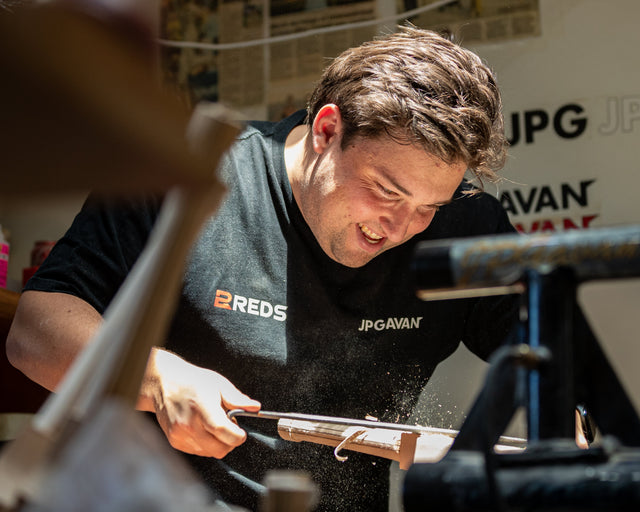
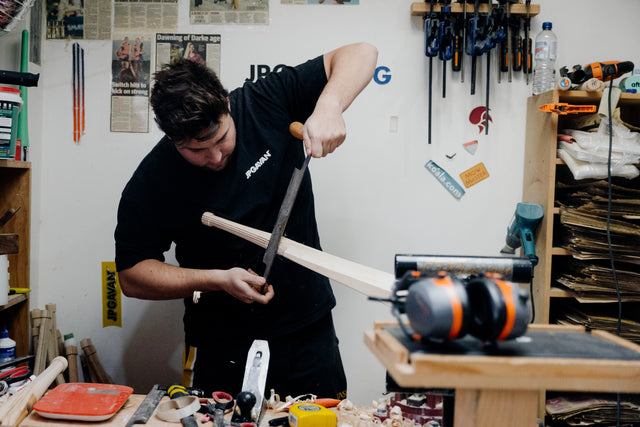
Most damage is fixable, and a repaired bat you trust beats a new bat you have to run in. We repair bats every week, including bats we did not make. Have a look at our repair services, or read the full warranty and bat care guide.


0 comments